
A Digital Sanctuary for the
Creative Soul
Welcome to CRAFT. If you’ve ever felt the quiet thrill of holding something you made with your own two hands, you’re in the right place.
The Story Behind CRAFT
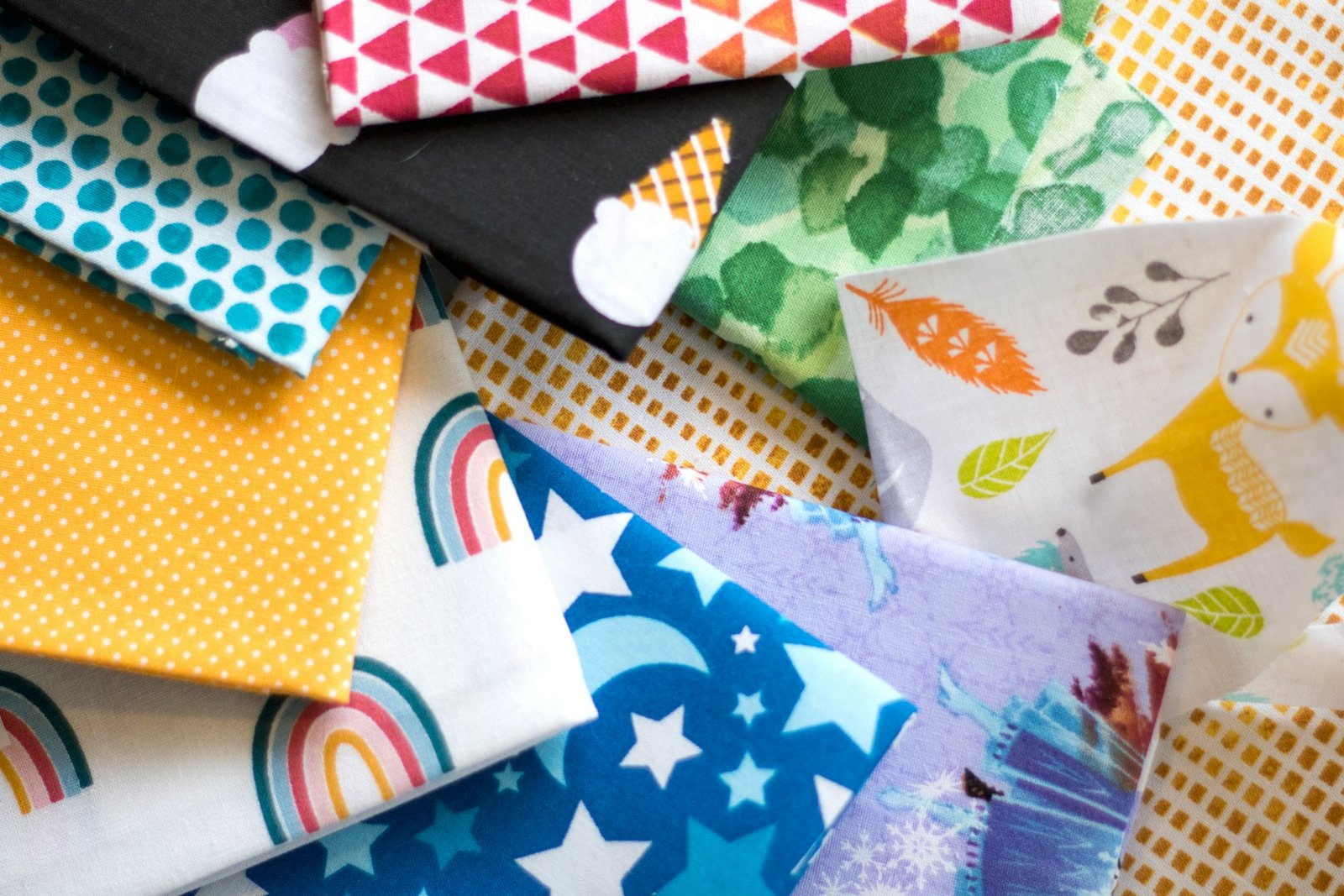
CRAFT wasn’t born in a boardroom; it began on a kitchen table covered in fabric scraps and half-finished sketches. I was working a corporate job that left me feeling drained and disconnected. I missed the tactile joy of creating—the smell of fresh paper, the texture of linen, the hum of a sewing machine.
I started this blog as a simple archive of my weekend projects, a way to reclaim my creative voice. Slowly, it grew into a community of women who, like me, were seeking a slower, more intentional way of living. What started as a whisper has grown into a conversation about how we build our lives, one project at a time.
Our Philosophy
“We believe that creativity is not a rare talent reserved for the ‘gifted’—it is a practice, a habit, and a form of self-care. In a world that demands constant speed, making something by hand is a radical act of slowing down. It grounds us, heals us, and reminds us of our capability.”
What You’ll Find Here
DIY & Handmade
Step-by-step guides for everything from home decor to hand-sewn garments. Accessible projects with heirloom-quality results.
Inspiration
Honest musings on life, creativity, and the beauty found in the everyday. Stories of the messy, wonderful process of becoming.
Creative Workspace
Inspiration for your studio, office, or that little corner of the dining table where the magic happens.
Freelance Life
Navigating the path of a creative career. Finding your niche and balancing the hustle with rest.

Hi, I’m Stephanie
I’m the writer, maker, and photographer behind CRAFT. My love affair with making began in my grandmother’s sewing room, watching her turn flat yards of cotton into spinning dresses. There was magic in that room—not just in the finished products, but in the quiet confidence of knowing you could build your own world.
Today, I’m a tea-drinker, a collector of vintage pottery, and a believer in the magic of a fresh notebook. My days are a blend of styling photoshoots, drafting patterns, and chasing the perfect light. I created CRAFT to be the mentor I wished I had—a friend who hands you the scissors and says, “You can do this.”
A Note to the Reader
Whether you’re here to tackle your first DIY renovation or simply to find a quiet moment of inspiration with your morning coffee, I am so honored you’ve chosen to spend your time here. I hope this space encourages you to pick up a paintbrush, thread a needle, or simply see your world with a little more wonder. Let’s make something beautiful together.
Say hello